Termite Reticulation Systems in Townsville

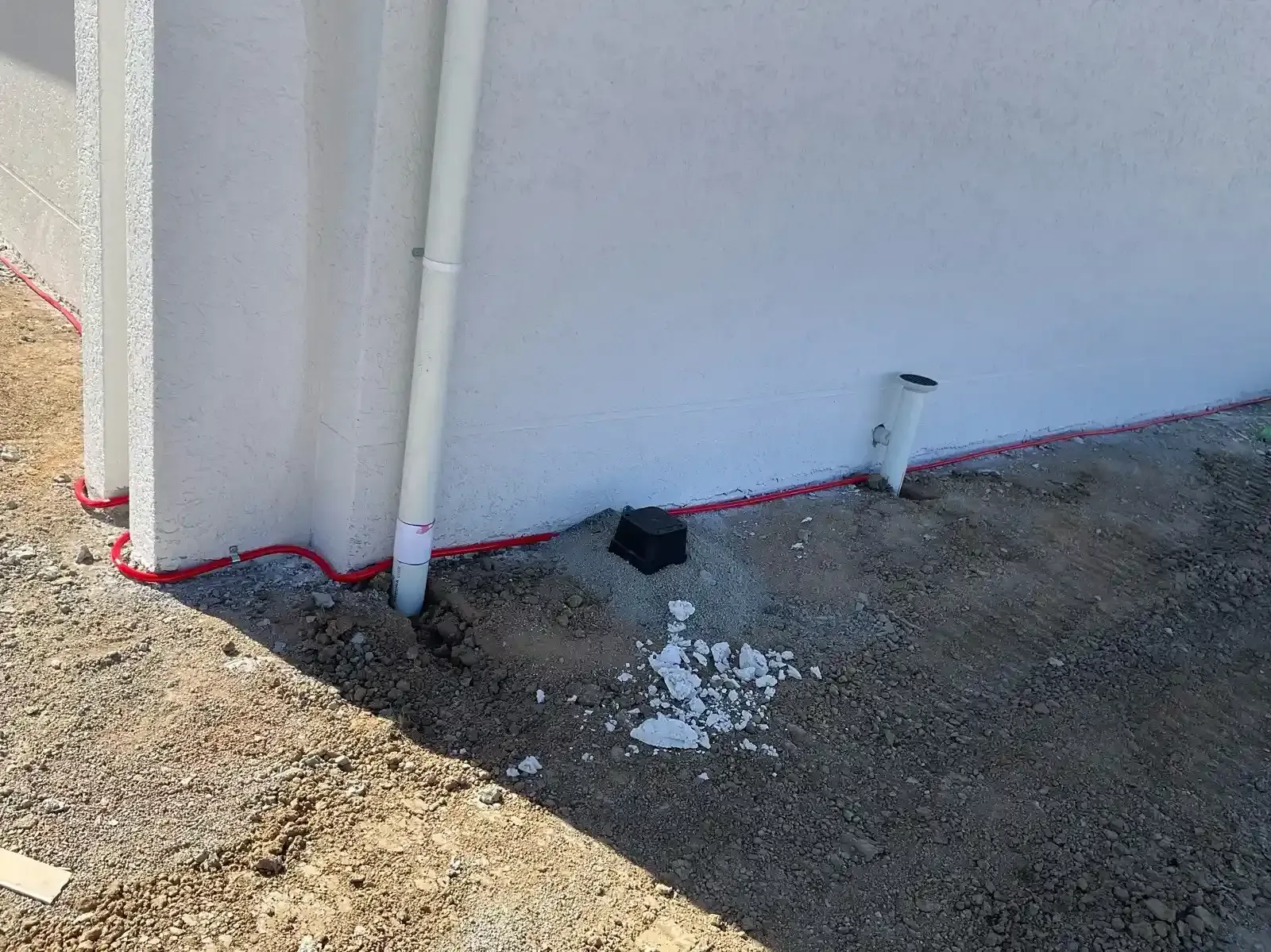
If your Townsville house was built in the last fifteen years, walk the perimeter and look at the paths and garden edges. Somewhere out there you'll probably find two to four small round or square lids set flush into the surface. Most owners assume they're irrigation. Some have never noticed them at all.

They're the filling points for a termite reticulation system, and if nobody has pumped anything through them since handover, the system is currently doing approximately nothing.


What a reticulation system actually is

It's a chemical termite barrier with plumbing attached. Perforated flexible hose is laid in the soil around the perimeter of the building at construction stage, and sometimes beneath the slab, connected to accessible filling points.

Termiticide is pumped through the hose under pressure and binds with soil, forming a continuous treated soil zone. Termites moving through that are repelled or killed on contact if the termite tries to penetrate the barrier.

The chemistry is identical to a conventional chemical barrier. What's different is renewal. Recharging a standard barrier means re-trenching the garden and re-drilling the driveway. Recharging a reticulation system means connecting to the hose and pumping the chemical through at the approved rates. 


Why Townsville builders install them

AS 3660.1 requires a termite management system on new buildings. Reticulation is popular in new estates because it's fast and cheap to install before landscaping goes in, it satisfies the standard, and it hands the owner a system that can be maintained for decades without demolition.

Across the growth corridors, Elliot Springs, the Cosgrove Estate, Mount Low, Burdell and Bohle Plains, it's common. Check your meter box. AS 3660.1 requires a durable notice recording what was installed, when, with what product and by whom. Builders, see pre-construction termite protection for builders for how we schedule this into your programme.
Installation on a new build

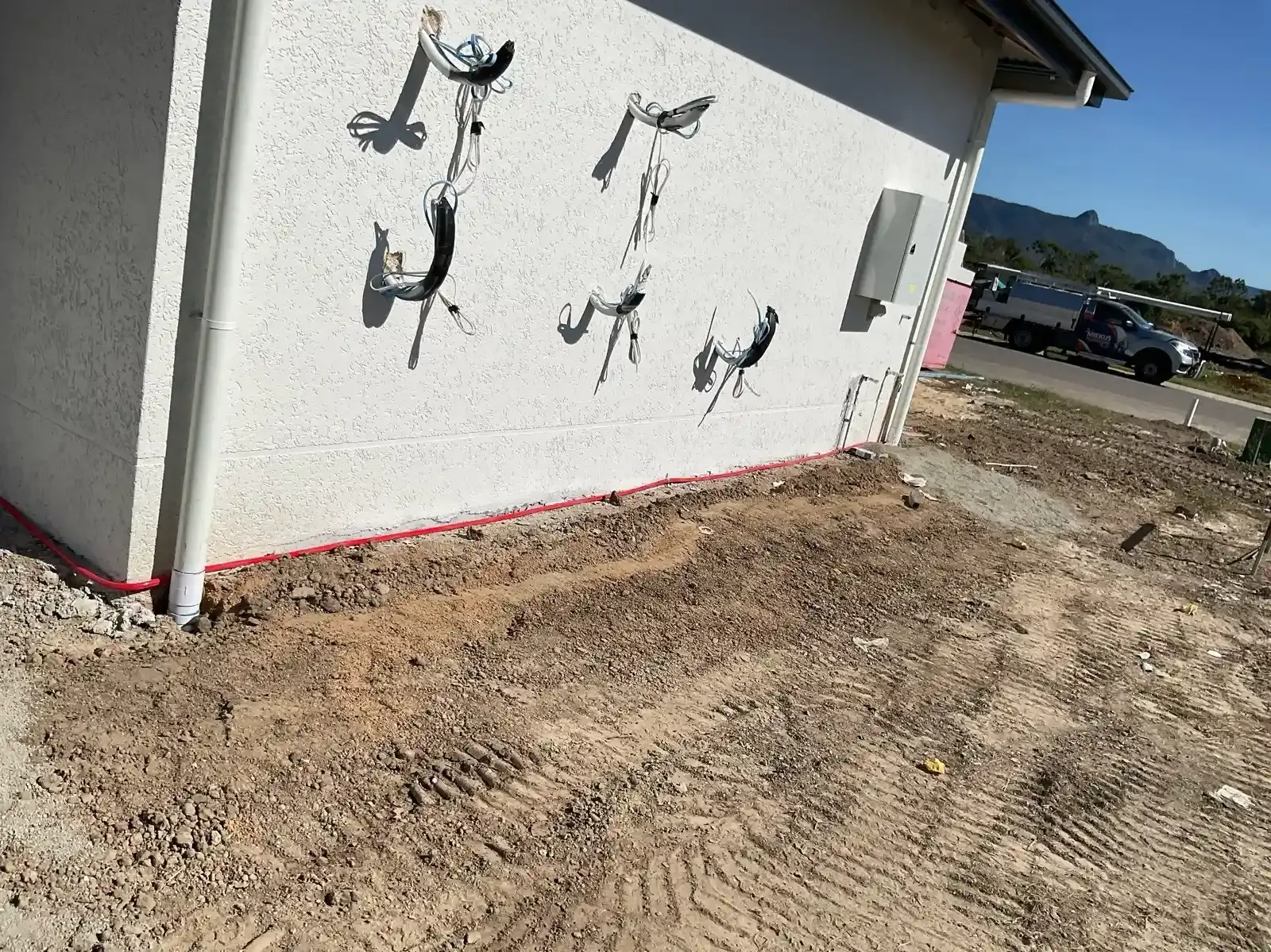
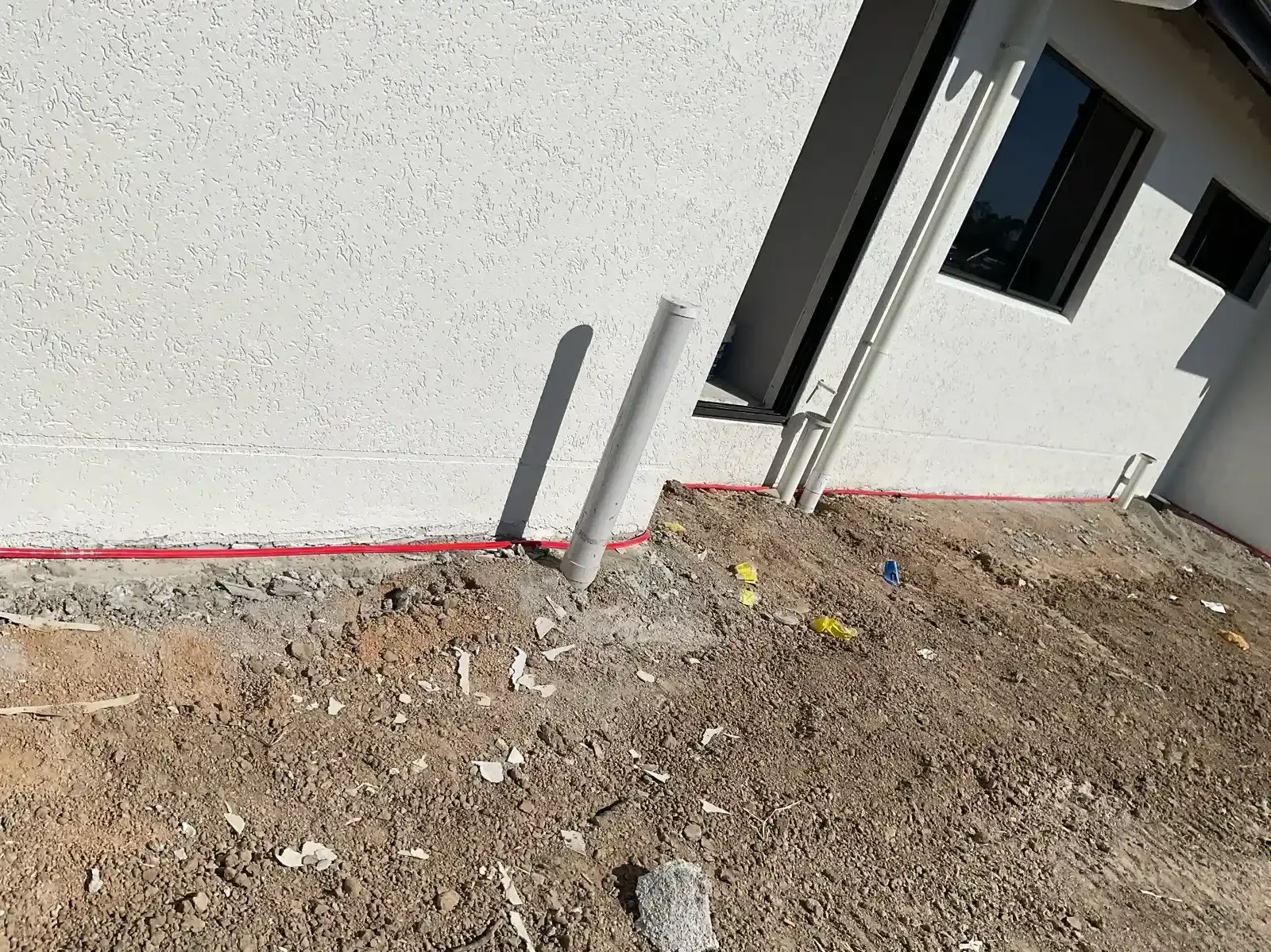
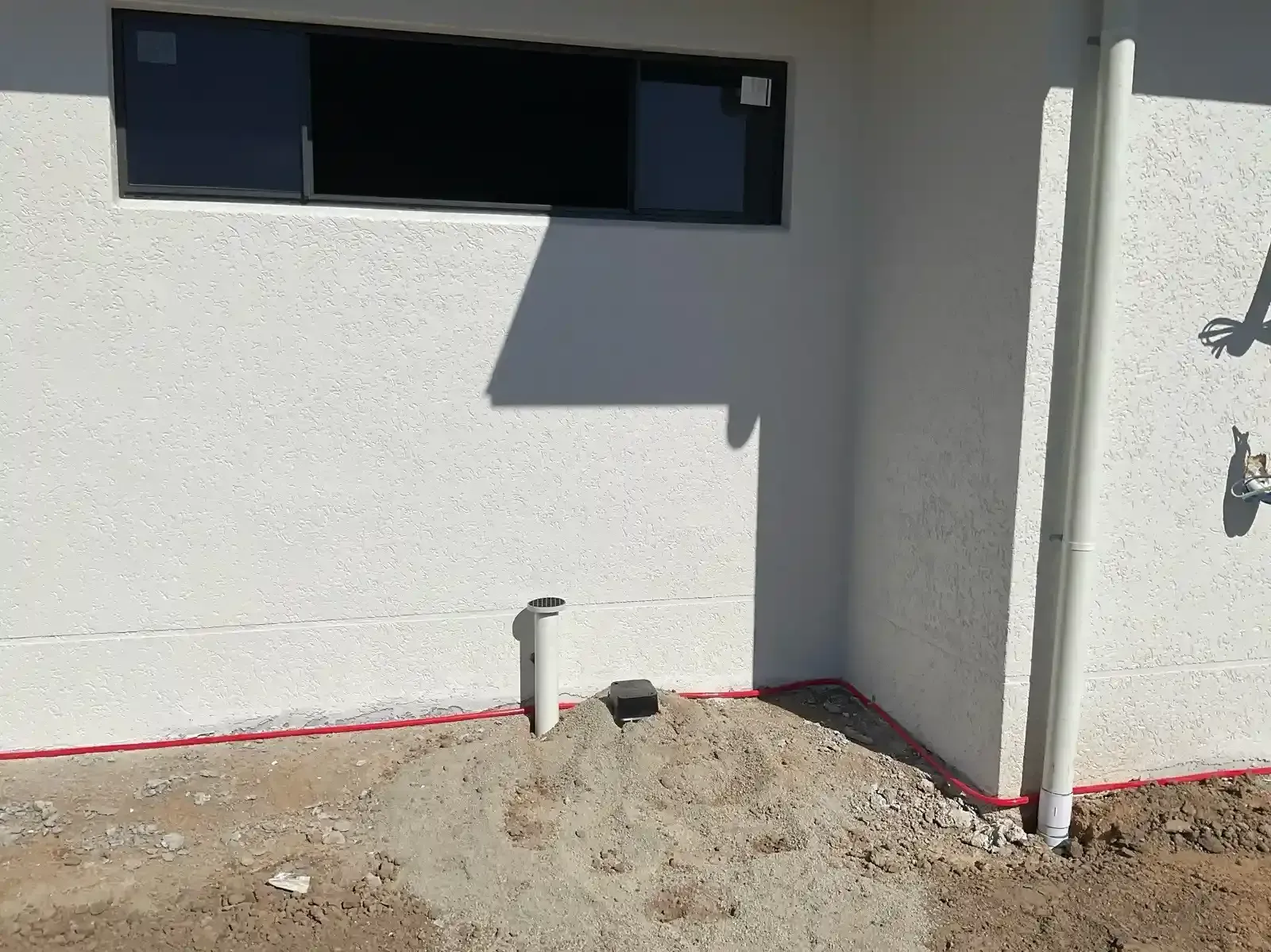
We lay reticulation at the right stage of the build, which is after the slab and before the landscaping, working to the builder's programme rather than against it.

What that involves: hose is laid to the full perimeter requiring protection, filling points positioned where they'll stay accessible after landscaping, the initial charge of termiticide, and the durable notice fitted to the meter box.

Speak to your builder or us today!!

Refills, and how often

Termiticide depletes from soil over time, and Townsville's wet season leaches it faster than a drier southern climate does. See what reticulation refills really cost for the full detail.


Product type Product type Typical refill interval Notes
Bifenthrin based Roughly every 3 to 5 years Shorter in high rainfall and sandy soils
Fipronil based Roughly every 5 to 8 years Longer service life, higher product cost
Imidacloprid based Roughly every 5 years Non repellent, transfers well through colonies

Treat those as planning figures. The manufacturer's label and the original durable notice govern the actual interval, and an inspection is what confirms whether the barrier is still performing.


Refilling a system we didn't install

We do this regularly, and it starts with finding out what's actually down there.

We locate the filling points, check the durable notice, pressure test the lines to confirm they're intact and unblocked, repair any damaged sections, then charge the system with the appropriate product and issue a service record.

What pushes the cost up is almost always neglect. Lines silted up after a decade without a refill. Filling points paved over during a renovation. Systems with no durable notice, where we have to establish what was installed before pumping anything into it. All of which is avoidable by refilling on schedule.


How to check your own system

      Find the filling points. Small flush lids, usually black or green, in paths, lawn or garden edges around the perimeter. Typically two to four.

      Check the meter box for the durable notice recording the system, product and install date.

      Check your records for any refill since handover. No record generally means no refill.

      Book a termite inspection. A pressure test is the only way to know the lines are intact.

The failure mode nobody anticipates is landscaping. Filling points paved over, garden beds built up over the lines, a shed slab poured across the run. The system is still there, and completely unusable.

Reticulation versus a standard barrier

Neither is more effective in itself. Both create the same kind of treated soil zone using the same chemistry. The difference is entirely in what renewal costs you.

Over a twenty year horizon, a reticulation system that gets refilled on schedule almost always comes out cheaper than a chemical barrier retrofitted twice. Our termite barriers for Townsville homes page compares the options side by side.

Not sure what you've got, or when it was last done? Call 07 4774 3316 and we'll come and find out.

Frequently asked questions

How often does a reticulation system need refilling?

Generally every three to five years for bifenthrin based products and five to eight for fipronil based systems. Townsville's high wet season rainfall tends to shorten those intervals, so check the durable notice in your meter box and confirm with an inspection.

How do I know if my house has a reticulation system?

Look for small flush mounted valve boxes in paths, lawn or garden edges around the perimeter, and check the meter box for the durable notice required under AS 3660.1. Homes built in Townsville estates over the last fifteen years commonly have one.

Can reticulation be retrofitted to an existing home?

In some cases, around the perimeter, though it is more disruptive and more expensive than installing at construction stage. Under slab reticulation cannot be retrofitted. For most existing homes a conventional chemical barrier is the more practical option.

What happens if the tubing is damaged?

A crushed, blocked or severed line leaves an untreated gap, and termites will find a gap. Damaged sections can usually be located and repaired, which is why we pressure test before charging any system we did not install.

Do I still need annual inspections?

Yes. No barrier system removes the need for inspection. The treated zone depletes, lines fail, and landscaping can bridge the barrier entirely. Annual inspection under AS 3660.2 is what verifies the system is still working.

Why JJM Pest Management Services

  • JJM Pest Management technicians only use chemicals that are safe for children and animals. These chemicals are only available to licensed specialists and not the public
  • Our technicians are knowledgeable experts and are JJM Pest Management employees. We never use sub-contractors.
  • We will arrange an appointment that fits around your schedule
  • JJM Pest Management is a local company with over 20 years experience
  • Our reliable services are delivered by employee fully trained and local