Termite Inspections in Townsville, to Australian Standard
A termite inspection is the least satisfying purchase in home ownership. You pay a few hundred dollars, somebody crawls under your house for an hour, and the good outcome is being told nothing is wrong.
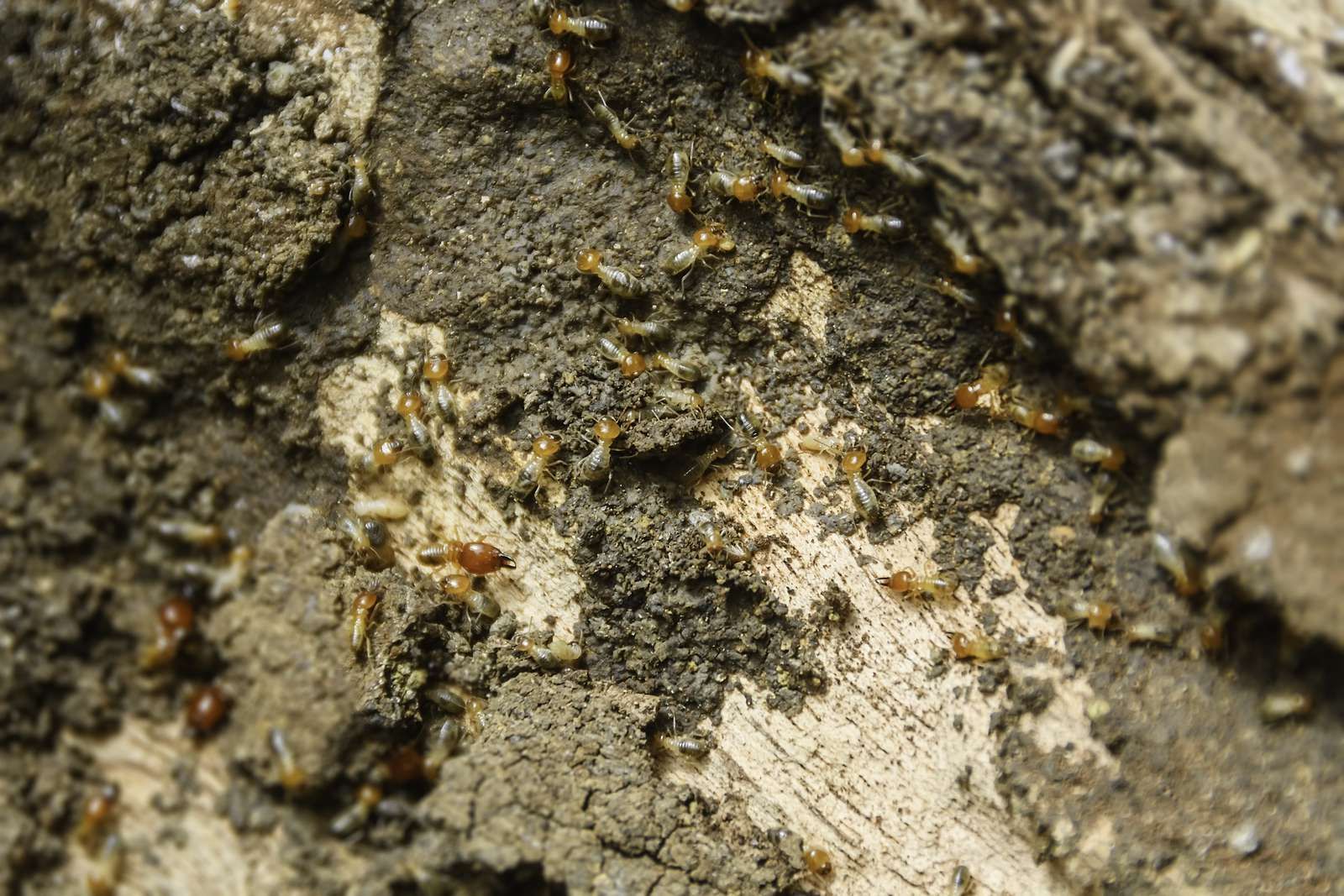
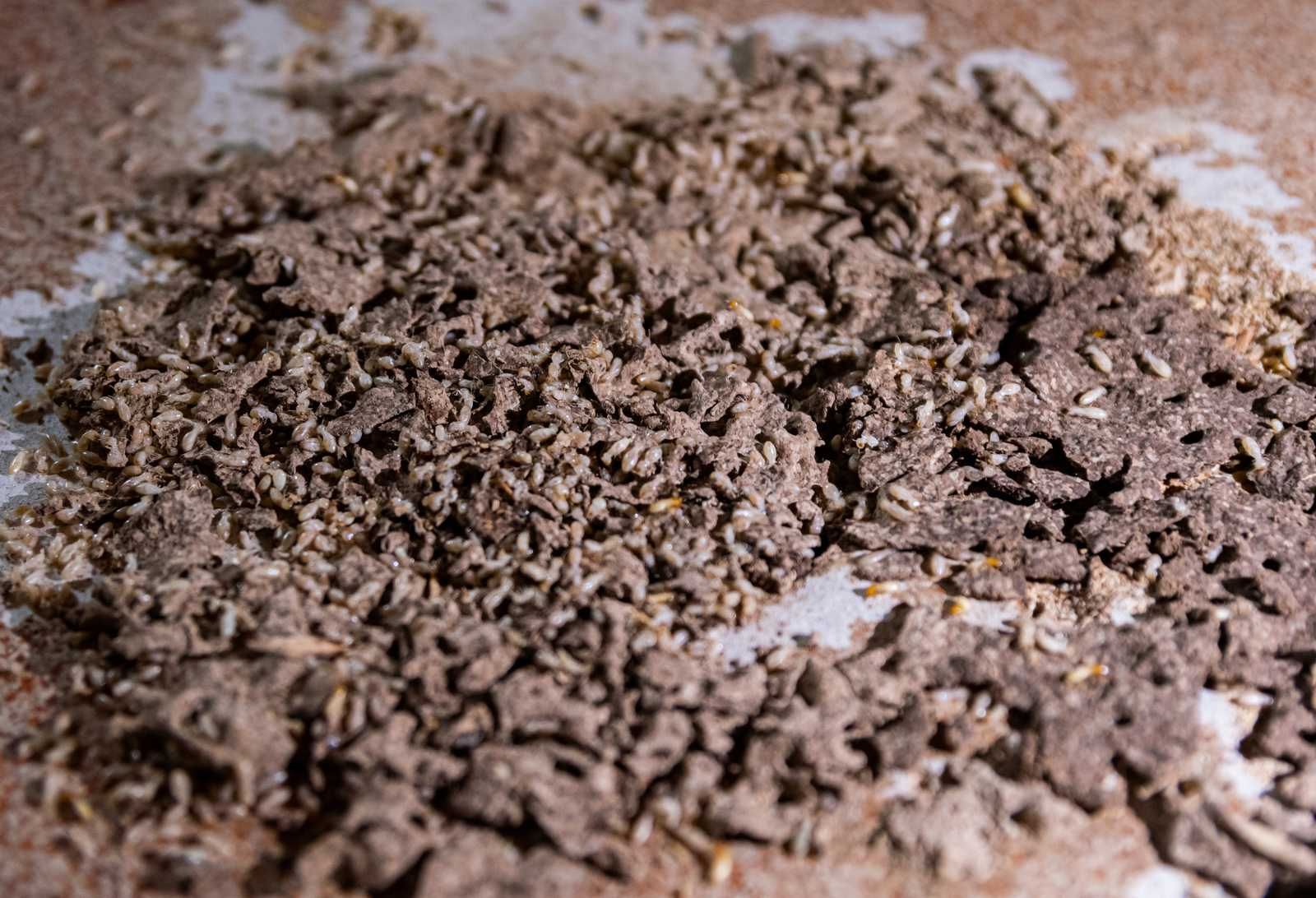
It's also the only financial protection an Australian homeowner has against termites, because no insurance policy in this country covers the damage. Here's what a proper one involves, and what to make sure you're actually getting. Already spotted the nine signs of termites? Book sooner rather than later.
What we inspect
A compliant termite inspection under AS 3660.2 is a physical inspection of every accessible area, supported by technology rather than replaced by it. That means:
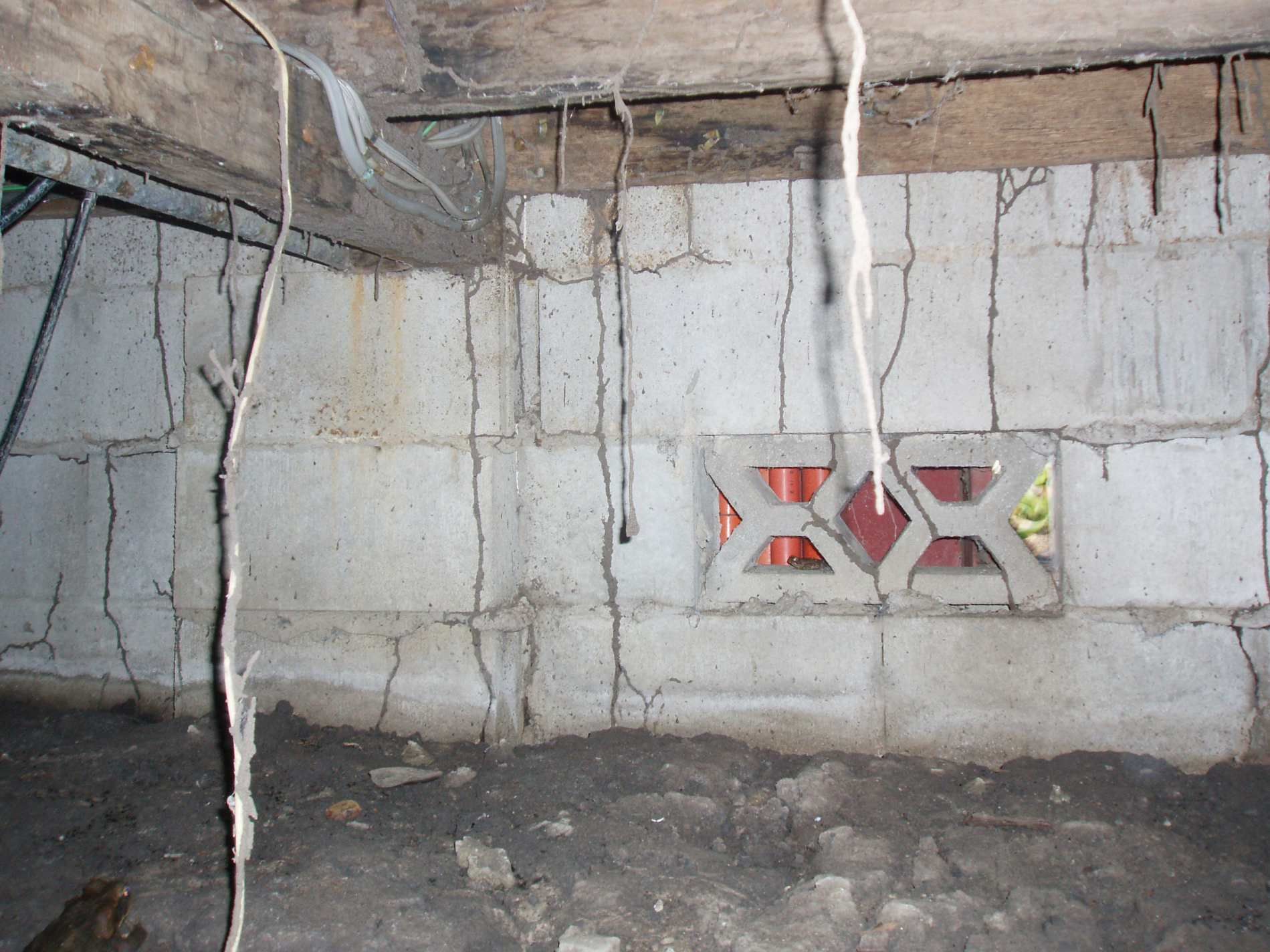
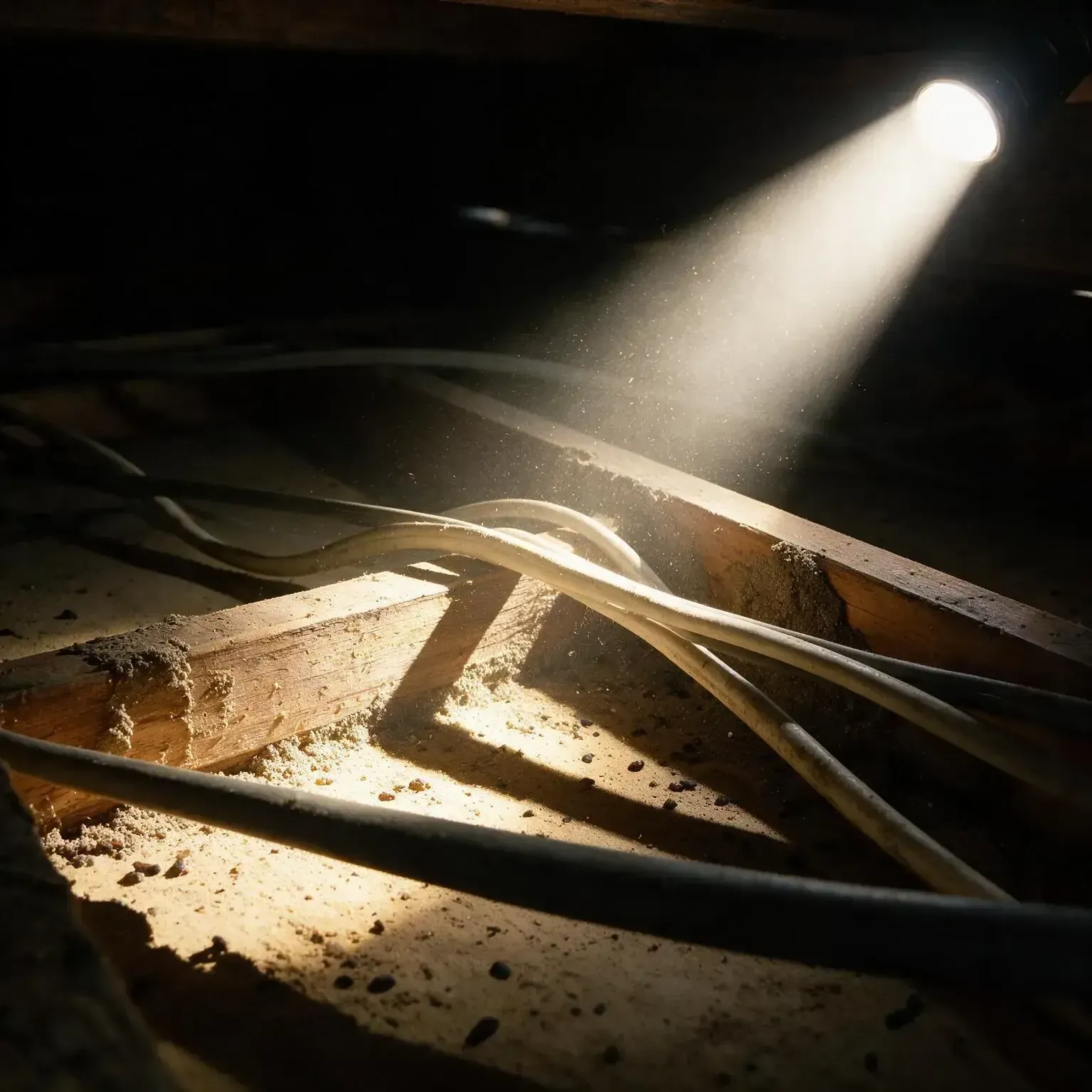
▪ The subfloor. Every accessible stump, pier, bearer, joist and ant cap, walked with a torch rather than glanced at from the access hatch.
▪ All internal timbers. Skirtings, architraves, door and window frames, sounded with a screwdriver handle along their length. Sounding is the test. Looking is not.
▪ The roof void, where access exists. Rafters, battens, truss members and wall plates, checked for mud lines and moisture.
▪ The full external perimeter. Weep holes, slab edges, service penetrations, garden bed levels, downpipes and air conditioning slabs.
▪ Outbuildings, fences, decks and retaining walls within thirty metres, plus trees and stumps on the property.
And a written report covering current activity, previous damage, conditions conducive to future attack, and, importantly, the areas that could not be inspected.
That last point matters more than it sounds
An honest report tells you what the inspector couldn't see. A subfloor blocked by stored boxes, a roof manhole painted shut, a wall behind a built in wardrobe. Those areas are where termites live, precisely because nobody goes there.
If you get a report with no limitations section, either the inspector accessed every square metre of your house, or they didn't write down what they missed. One of those is far more likely than the other.
The instruments, and what they actually do
We use thermal imaging cameras, moisture meters and borescopes. They're genuinely useful and they are not a substitute for the inspection.
Thermal imaging detects temperature and moisture anomalies behind surfaces, which can reveal concealed activity. It does not see through walls, it produces false positives from plumbing and insulation gaps, and it misses activity that isn't generating a thermal signature. Moisture meters confirm elevated readings in timber. Borescopes let us look inside a cavity through a small hole rather than opening up a wall.
A thermal only inspection at $99 is not a cheap inspection. It's an incomplete one, and incomplete is arguably worse than nothing, because it buys you false confidence for twelve months. See what a termite inspection costs in Townsville for the full range.
How often, in this climate
AS 3660.2 sets twelve months as the maximum interval for most properties. Queensland, the Northern Territory and northern New South Wales carry the highest termite pressure in the country, and the standard recommendation for high risk sites is six monthly.
| property type | Recommended interval |
|---|---|
| Timber home on stumps, older construction | Every 6 months |
| Any property backing onto bushland or a creek line | Every 6 months |
| Property with previous termite history | Every 6 months |
| Property with an ageing chemical barrier | Every 6 months |
| Newer slab home with a current barrier | Every 12 months minimum |
The reason Townsville sits at the shorter end is simple. Termite activity is driven by warmth and moisture, and this city supplies both across all twelve months. There's no seasonal lull here to slow a colony down.