The termite species active in North Queensland
Worth knowing what you might be up against.
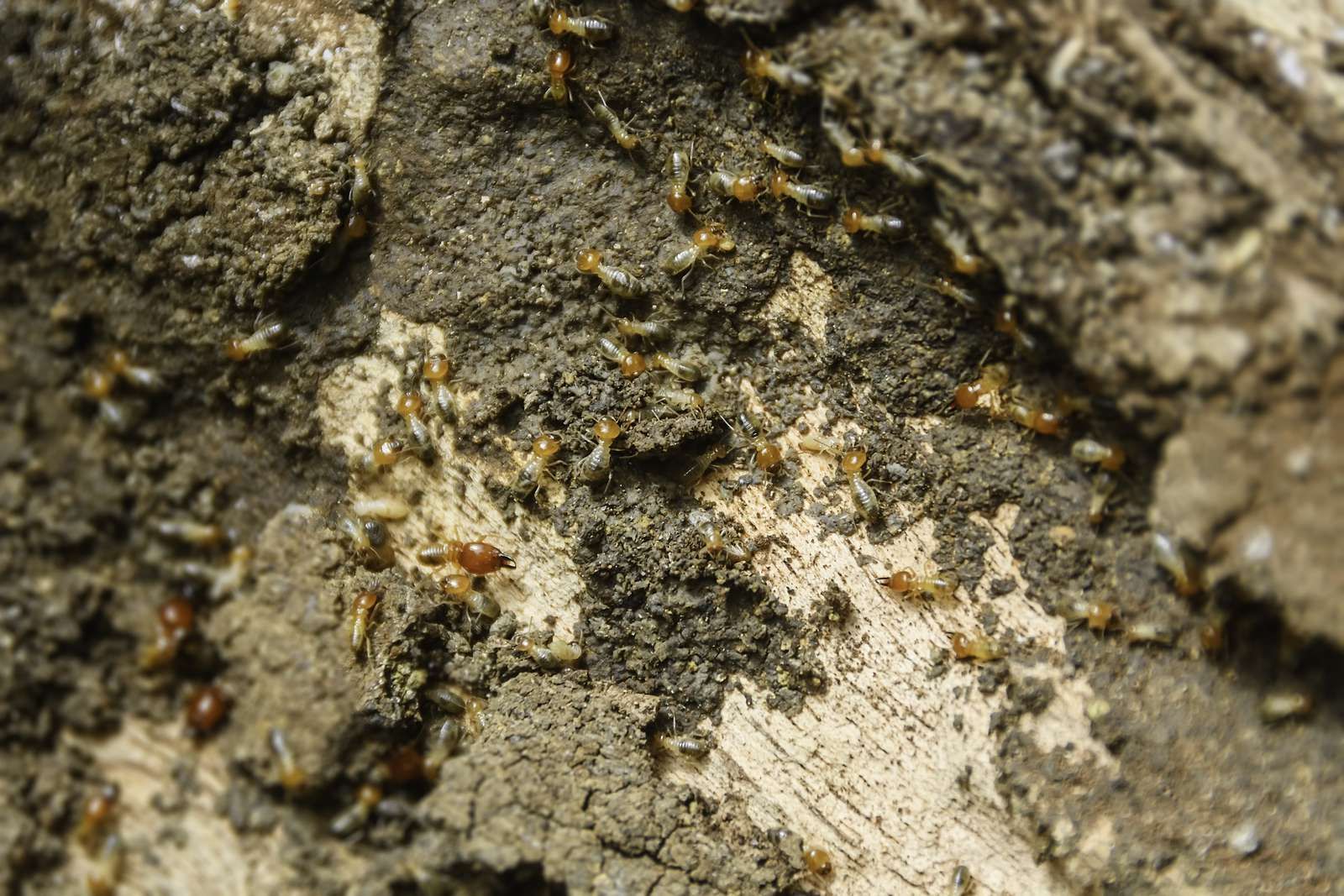
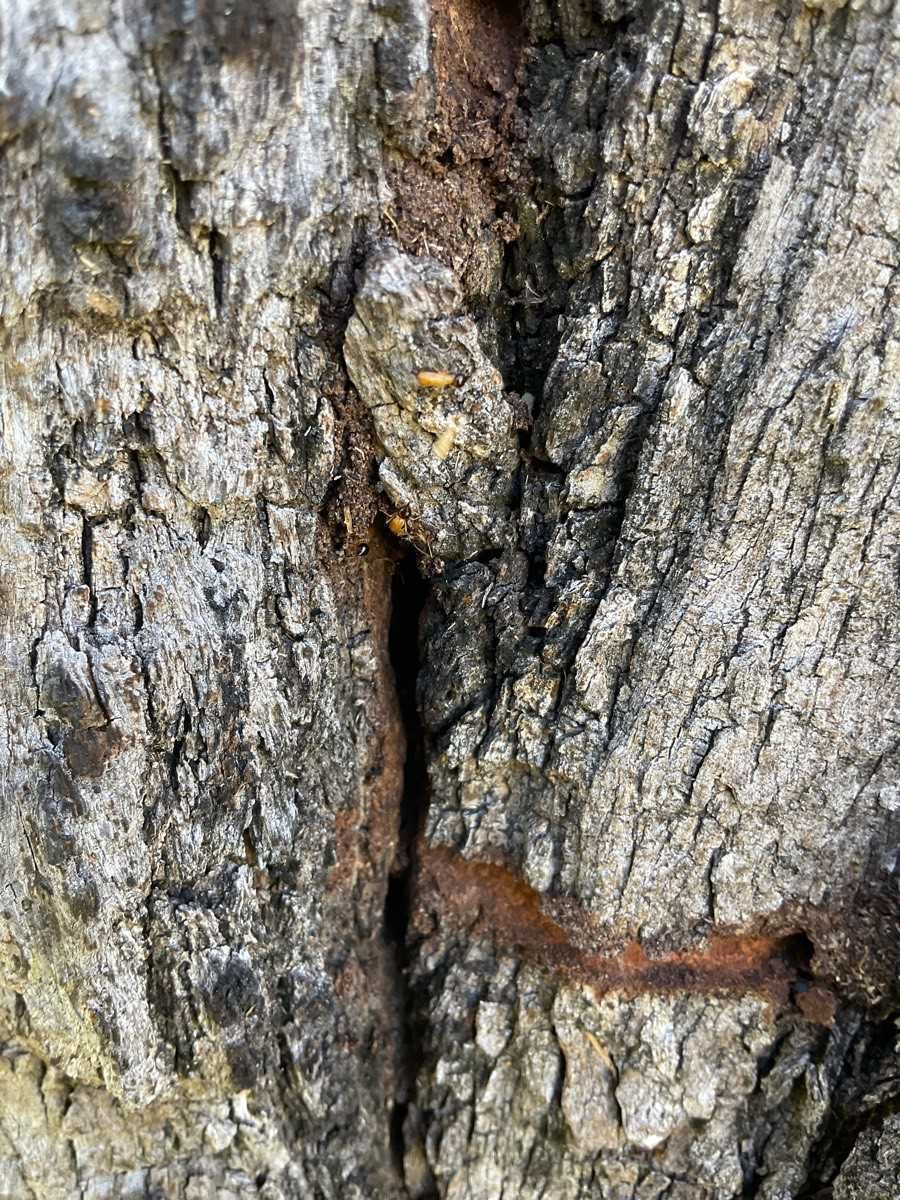
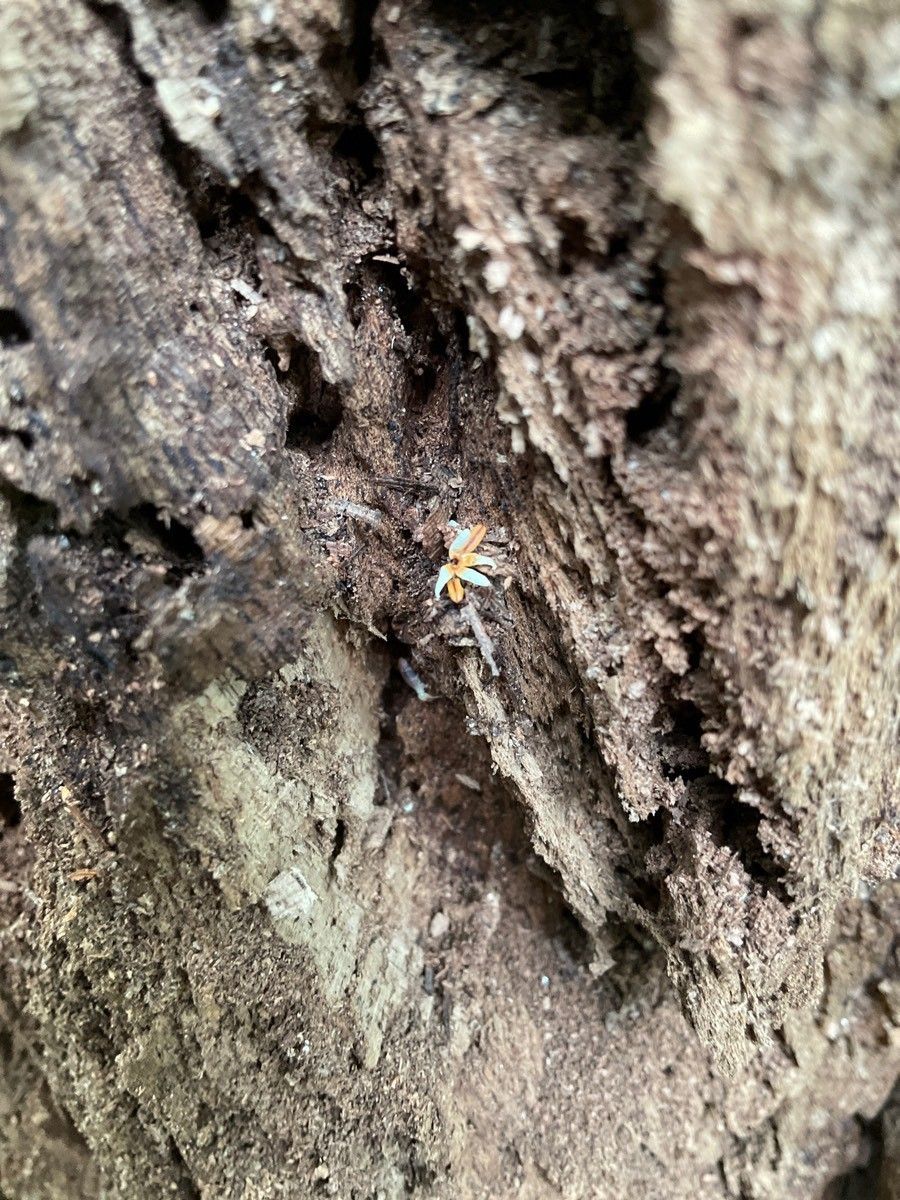
Coptotermes acinaciformis is the workhorse of Australian termite damage. It does not require soil contact provided it has a steady moisture supply, which means colonies establish in wall cavities, roof voids and tree stumps as readily as in the ground.
Mastotermes darwiniensis is a different animal entirely. Workers run around 12 millimetres against 7 for other pest species, colonies can number in the millions, gallery networks extend 100 to 200 metres from the nest, and it will eat leather, plastic sheathed cable, rubber and bitumen alongside your house. A home under sustained Mastotermes attack can be all but destroyed in around six months.
If you want the plain English version of all this, read our guide to
white ants and termites.
What treatment costs in Townsville
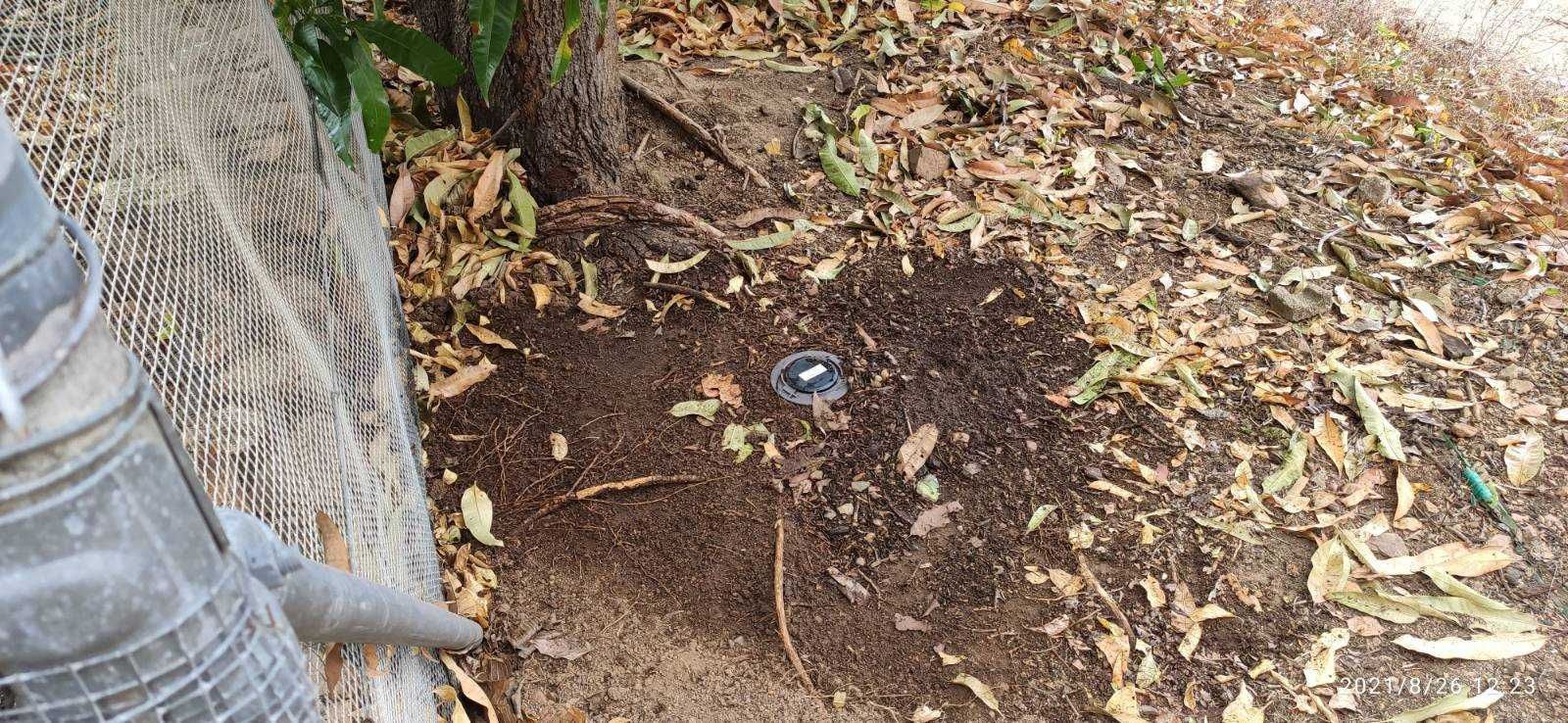
It depends on the species, the size of the building, the construction type and how much hard surface has to be drilled. As a broad guide, a full chemical barrier for an average home sits between $2,500 and $3,600 in 2026, while baiting systems run $1,500 to $3,500 to install plus $250 to $360 a year in monitoring.
A quote given over the phone without an inspection is a guess. We'll come and look.
Working to AS 3660
Termite management in Australia is governed by Australian Standards. AS 3660.1 covers new construction, AS 3660.2 covers management in and around existing buildings, and AS 4349.3 governs how timber pest inspection reports are written.
Every treatment we carry out is documented against those standards, with a record of the product used, the application rate, the areas treated and the expected service life. You get that record, not just an invoice.
After treatment: not being back here in three years
Eliminating a colony solves today's problem. It does nothing about the next one, and in a city where CSIRO hazard data suggests most homes sit within 25 metres of a colony, there will be a next one.
So treatment is normally followed by
termite barriers for long-term protection, either chemical, reticulated or physical depending on the building, plus an inspection schedule. AS 3660.2 sets twelve months as the maximum interval. In Townsville, with year round activity and no winter slowdown, six monthly is the interval that actually matches the risk for timber homes and anything backing onto bushland.
One more thing that gets missed. Replacing damaged timber before the colony is eliminated simply replaces the food. Treatment first, barrier second, carpentry third.
If you've found termites
Don't disturb the workings. Don't spray them. Photograph what you've found and
book a termite inspection or call us on 07 4774 3316. Active termite calls get priority, and in this climate the difference between this week and next month is measurable in timber — see
how fast a termite infestation actually moves for what that actually looks like.
Frequently asked questions
How long does termite treatment take to work?
Baiting programmes typically eliminate a colony over four to twelve weeks, depending on colony size and feeding rates. Chemical soil treatment establishes a protective zone immediately but colony elimination through transfer also takes weeks. Anything promising overnight results is describing a surface spray, which does not eliminate colonies.
Will termites come back after treatment?
The treated colony will not. A different colony can absolutely find the same building, which is why treatment is normally paired with a barrier and an ongoing inspection schedule. Most homes in high pressure areas like Townsville have colonies foraging within 25 metres.
Can I treat termites myself?
No. Chemical termite treatment requires a licensed pest management technician in every Australian state and territory, and the non repellent products that actually work are not sold to the public. DIY surface sprays are repellent, which pushes termites to re-enter through a concealed route and makes the situation worse.
Do I have to move out during treatment?
Almost never. Baiting and dusting are non disruptive. Chemical soil treatment happens outside the building envelope, with drilling through internal slabs only occasionally required. Your technician will tell you the re-entry time for any treated internal area before leaving.
Is termite damage covered by insurance?
No. Australian home and contents policies exclude termite damage without exception, on the basis that it is considered preventable through maintenance. This is why inspection schedules and barriers are the only real financial protection available.