Termite Wings on the Windowsill
Termite Wings on the Windowsill: How Worried Should You Be?
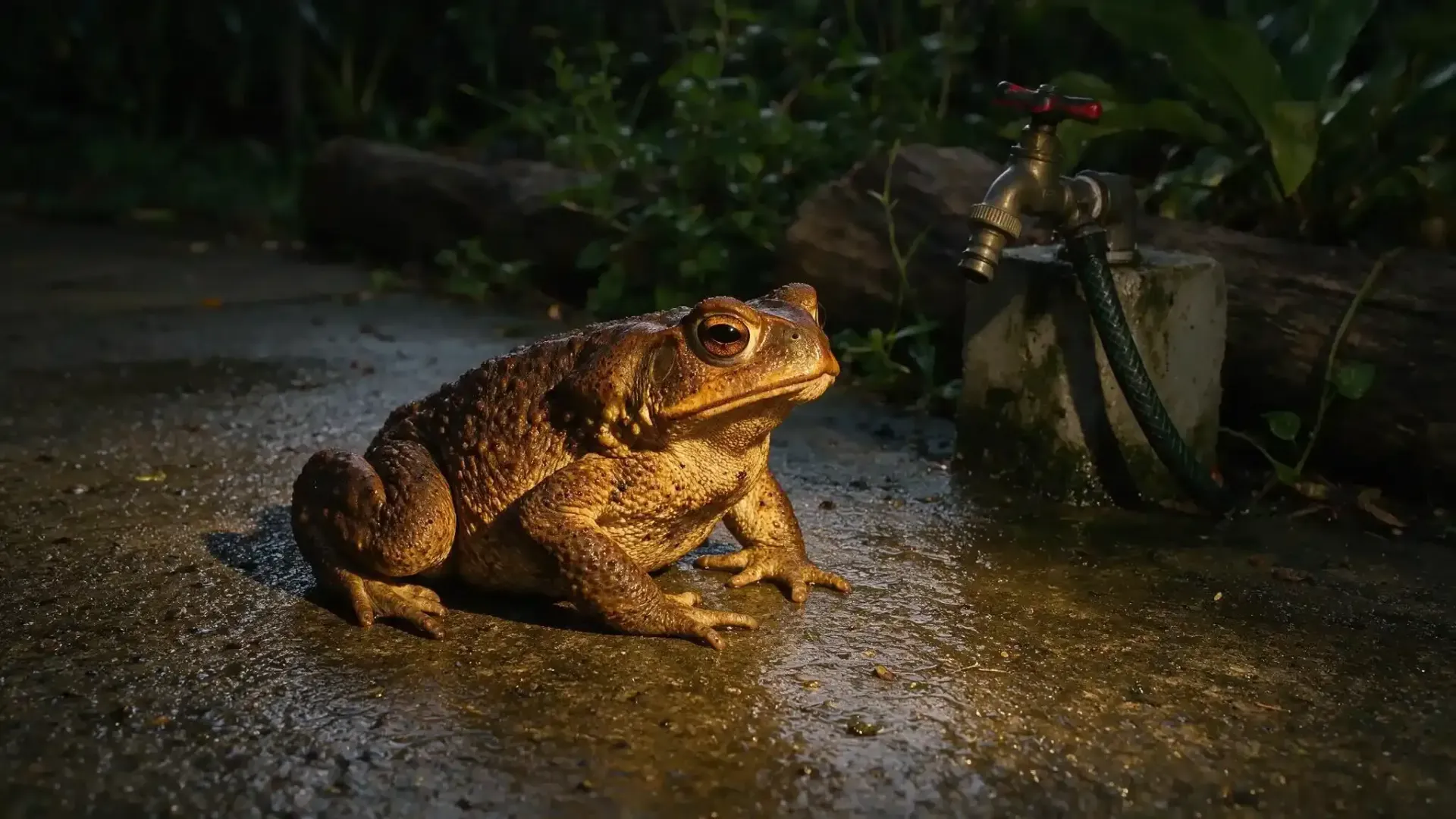
You open the curtains on a humid Townsville morning and there's a small drift of translucent wings on the sill. They're delicate, faintly iridescent, and there's no insect anywhere in sight. Finding termite wings is one of those discoveries that's either completely harmless or the most expensive thing that will happen to your house this decade, and the difference comes down to a few details worth understanding.
Why termites shed their wings in the first place
Once a year, usually after the first serious storms of the build up, a mature colony produces winged reproductives called alates. They leave the nest en masse, fly badly and briefly, then land, snap off their own wings and go looking for a mate and a place to start a new colony.
The wings aren't lost by accident. They're designed to break away at a weakened basal suture, which is why you find them in tidy piles rather than scattered singly. The insect has finished with flight permanently and is now, in the most literal sense, settling down.
Termite wings versus flying ant wings
This is where most people get it wrong, and it's an easy mistake because both swarm at the same time of year in the same weather.
| Feature | Termite alate | Flying ant |
|---|---|---|
| Wings | Four wings, all the same length | Four wings, front pair noticeably longer |
| Wing texture | Milky, veined, easily torn | Clearer, tougher, fewer veins |
| Waist | Straight, no visible narrowing | Sharply pinched waist |
| Antennae | Straight and beaded | Elbowed, bent in the middle |
| Body colour | Pale to mid brown | Usually darker, often black |
If you've only got wings and no insect, the wing test is the one that works. Termite wings are all the same length and tear if you rub them between your fingers. Ant wings come in two obvious sizes and hold together better.
Where the wings usually turn up
Alates are drawn to light and they die quickly indoors, so the wings collect in predictable places. Windowsills facing outdoor lights. Inside light fittings and ceiling fans. Around laundry troughs and bathroom sinks, where they've gone looking for moisture. Caught in spider webs in corners and under eaves.
Cobwebs are worth a look specifically because they hold evidence for months. If you want to know whether you had a swarm last season and missed it, that's where to check.
What the location tells you about the risk
Here's the part that actually matters. Wings outside the house, on the deck or the driveway, mean a colony swarmed somewhere in the neighbourhood. That's a reason to book an inspection, not a reason to panic. Colonies commonly forage across fifty metres or more, and Mastotermes darwiniensis can run galleries out to a hundred metres and beyond.
Wings inside the house, particularly in a room with no open windows, mean the swarm emerged inside the building envelope. That points to a colony in the wall cavity, the subfloor or the roof void. That's the version where you stop reading and pick up the phone.
Swarming season in North Queensland
In the tropical north, swarming is triggered by warmth and humidity rather than the calendar, which means it clusters around the build up and the early wet, roughly from October through to February. A hot, still, heavy evening after the first decent rain is the classic trigger. See termite swarming season in North Queensland for the full picture.
Different species swarm at different times of day. Some go at dusk, some in the middle of the night, some after rain in the early morning. If you find wings and you never saw a swarm, that's entirely normal.
What happens if you do nothing
The overwhelming majority of alates die within a day. They're poor fliers, they dehydrate fast, and geckos, birds and ants eat most of them. A single pair establishing a viable new colony is genuinely rare.
The risk isn't the swarm. The risk is what the swarm reveals. Colonies only produce alates once they're mature, which generally takes several years. A swarm is a colony announcing that it has been established nearby for a long time and is now large enough to reproduce. That colony is the problem, not the wings on your sill.
What to do this week
Collect a sample. Put a few wings in a small container or a zip bag, and if you can find an intact insect, even better. It makes species identification straightforward.
Photograph where you found them before you clean up, then check the rest of the house. Look at every windowsill, every light fitting, and under the house if you have a subfloor. Then check the full list of termite warning signs, particularly mud tubes on stumps and piers.
Then book a termite inspection in Townsville. An inspection after a swarm is not an overreaction. It's the single most useful thing you can do with the information you've just been handed.
Call JJM Pest Management on 07 4774 3316. We're in Garbutt, we've been working Townsville homes for over twenty years, and we'd rather tell you it's nothing than meet you in eighteen months.
Frequently asked questions
Does finding termite wings mean I definitely have termites in my house?
Not necessarily. Wings outside the house often mean a colony swarmed somewhere nearby, which could be a neighbouring property, a tree or a stump. Wings found inside the house, especially in rooms with closed windows, are a much stronger indication that a colony is inside the building envelope.
What time of year do termites swarm in Townsville?
Broadly October to February, triggered by warm humid conditions rather than a set date. The first still, heavy evenings after early wet season rain are the classic conditions. Different species swarm at different times of day and night.
How can I tell termite wings from flying ant wings?
Termites have four wings of equal length that are milky and tear easily. Flying ants have a longer front pair and tougher wings. If you have the insect as well, check the waist. Ants have a pinched waist and elbowed antennae, termites have neither.
Should I spray the area where I found the wings?
No. The wings are just debris and the alates that shed them are almost certainly dead. Spraying does nothing to the colony that produced them and can push foraging termites to re-enter your home through a route you can't see.
How long does a termite swarm last?
The flight itself is usually over within an hour, sometimes much less. You may never witness it. The wings can sit undisturbed for weeks afterwards, particularly in cobwebs, roof voids and light fittings.